How can Palestine be visited when distance, borders, and colonial occupation stand in the way? How can its cities, stories, and memory be brought within reach of audiences who have not had the chance to walk its streets?
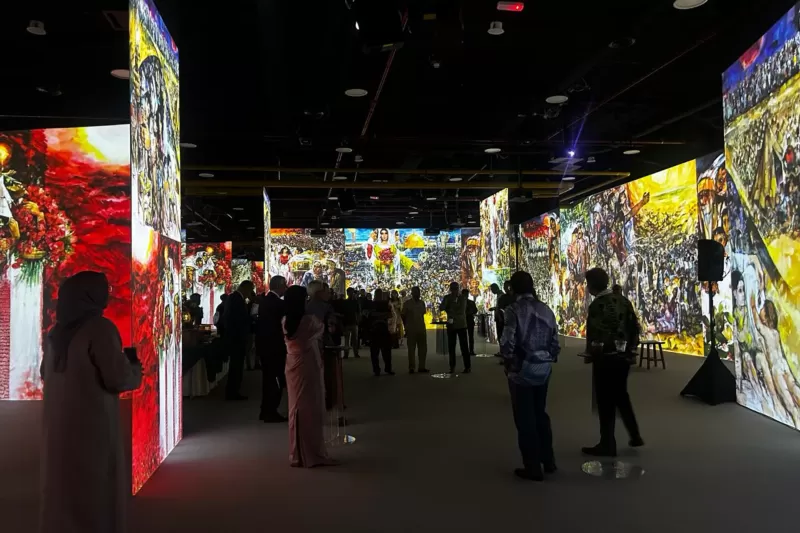
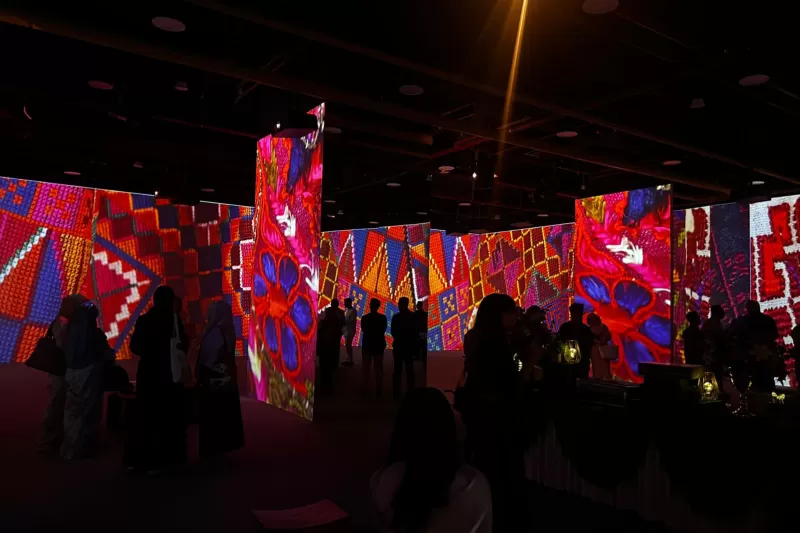
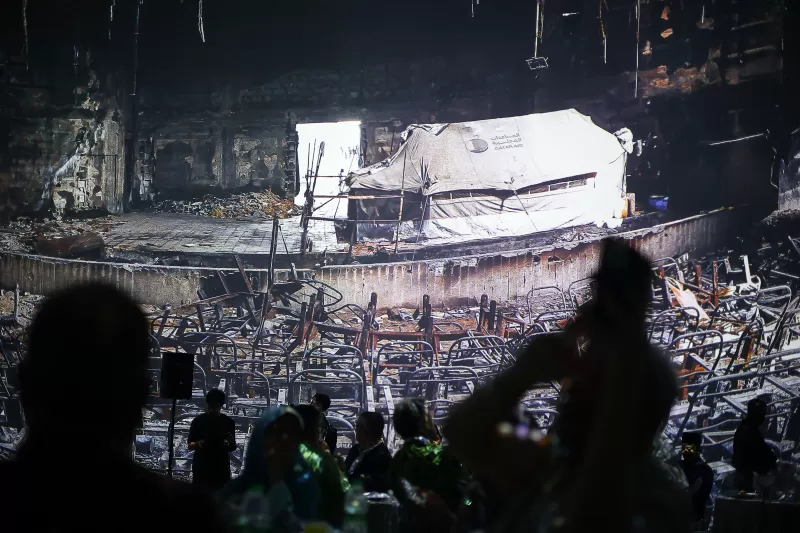
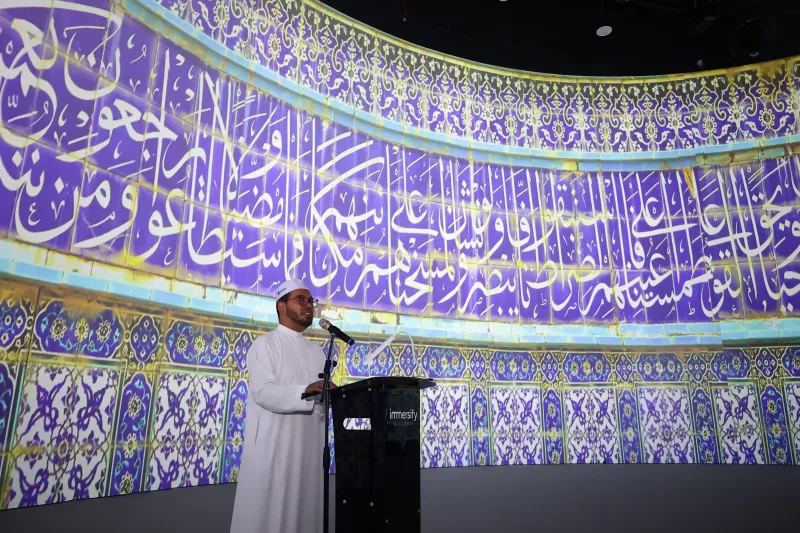
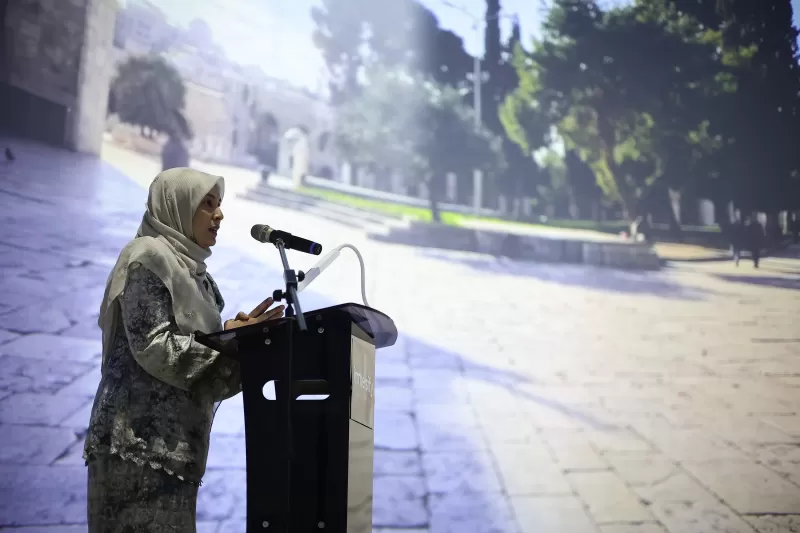
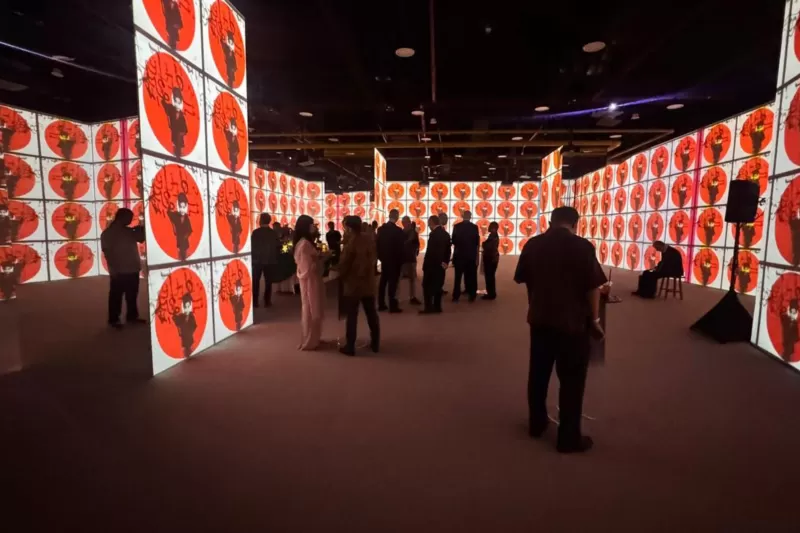
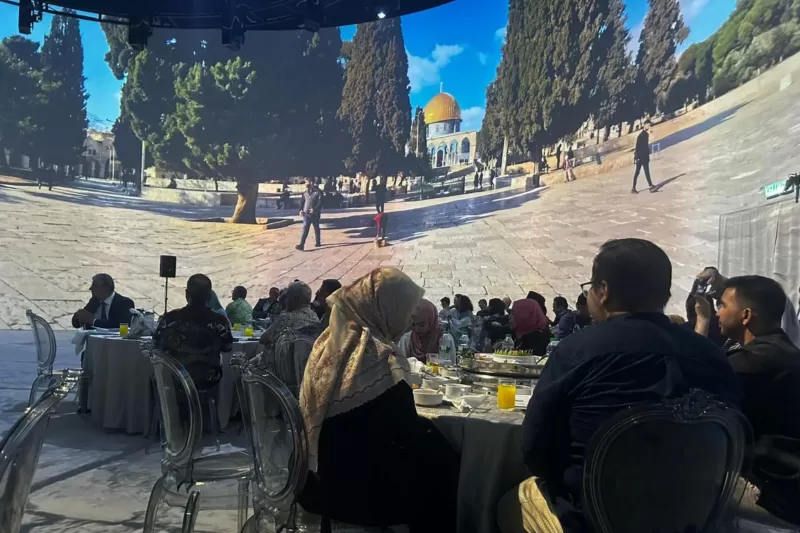
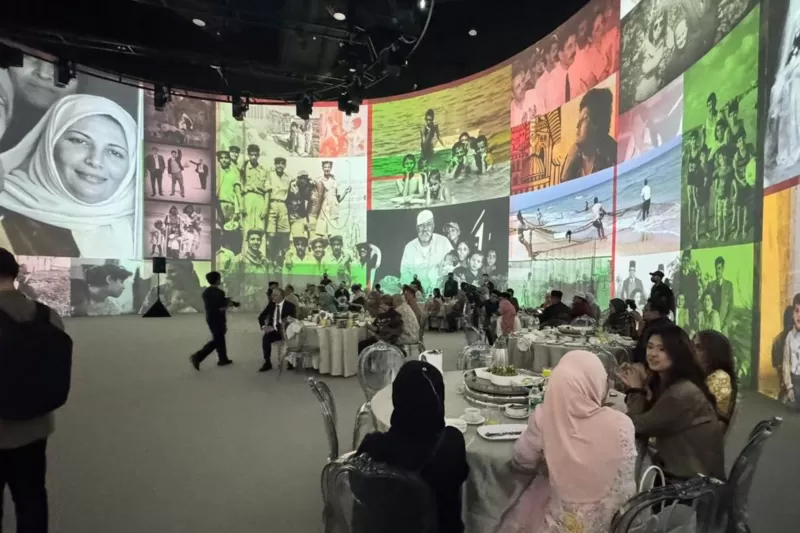
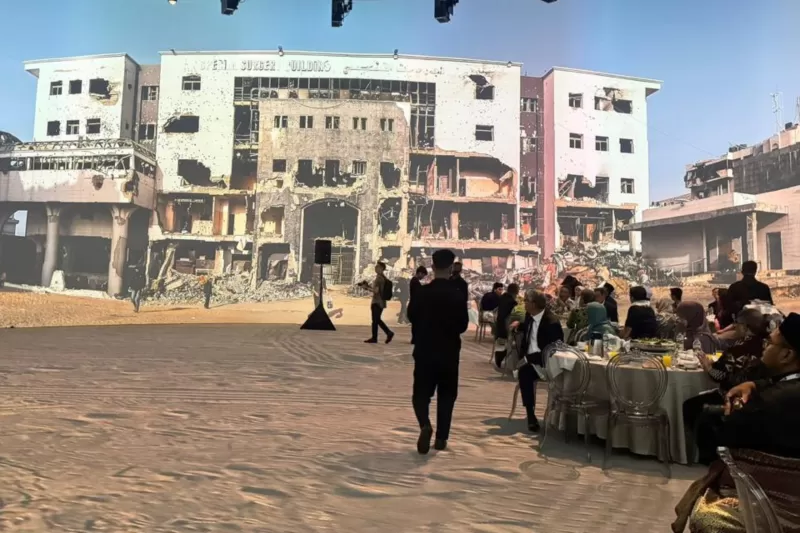
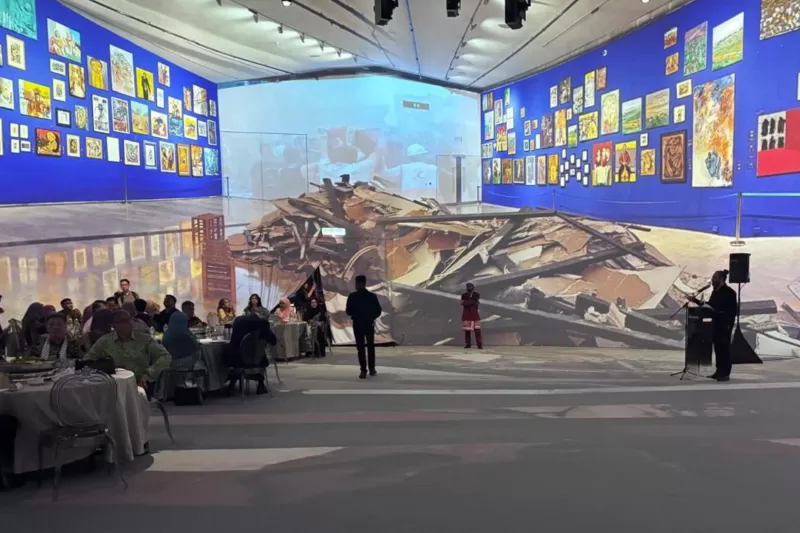
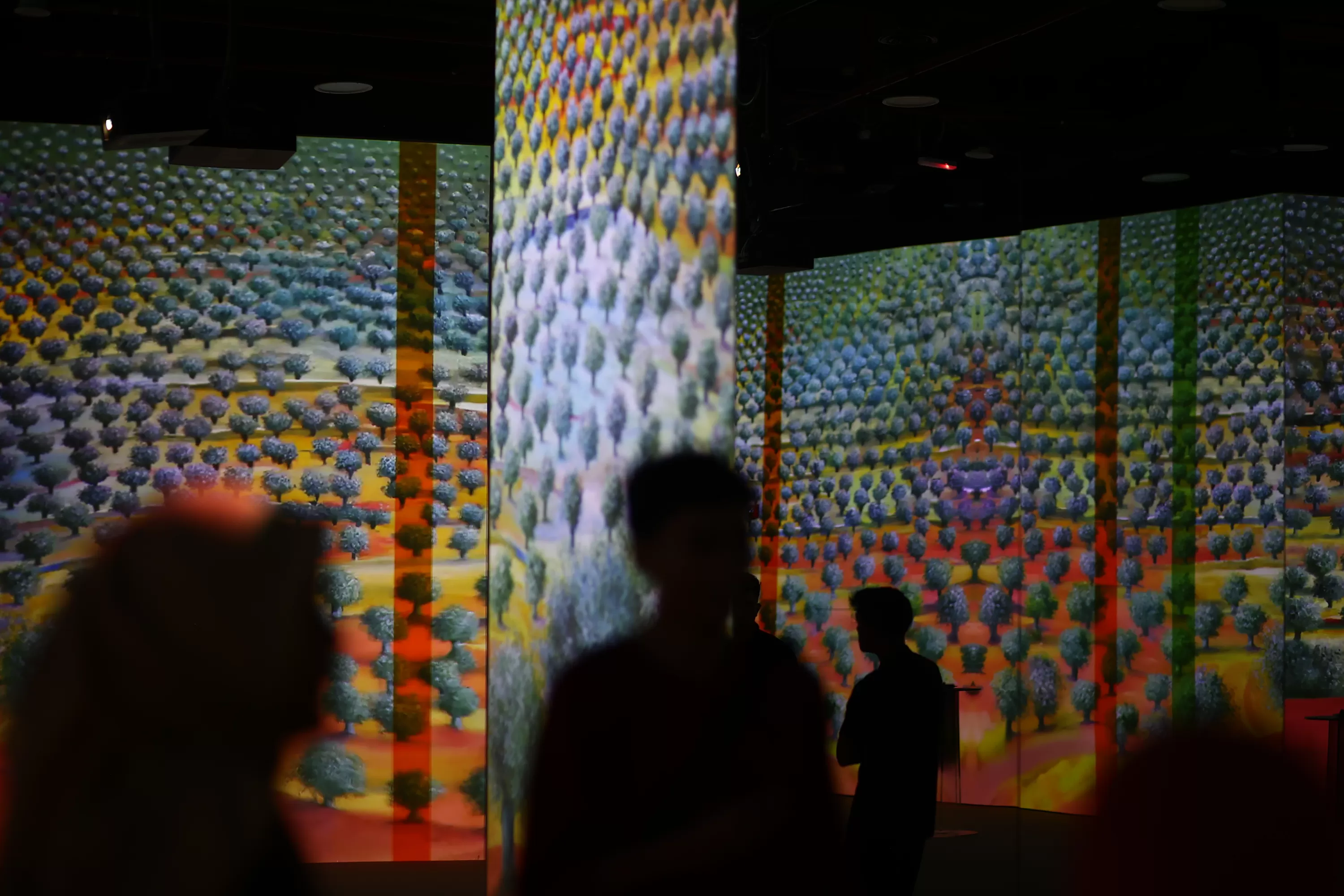
The Palestinian Museum and Taawon (Welfare Association) translated these questions into an immersive, interactive 360-degree experience that traces a virtual route across Palestine, moving through more than fifty places: from Iqrit in the northern Galilee to Gaza in the south, taking in Jerusalem, Jaffa, Acre, Lifta, Sebastia, Battir, Jericho, refugee camps, and other cities, villages, and historic and cultural sites. Built from 360-degree field documentation produced by the Museum, alongside panoramic imagery, the route allows audiences to move virtually through these places and encounter Palestine through its people, history, and everyday life. Across this virtual route, memory and place meet, and cities and villages tell the stories of people who continue to hold fast to their land, culture, and ways of life despite forcible displacement, hardship, and ongoing upheaval.
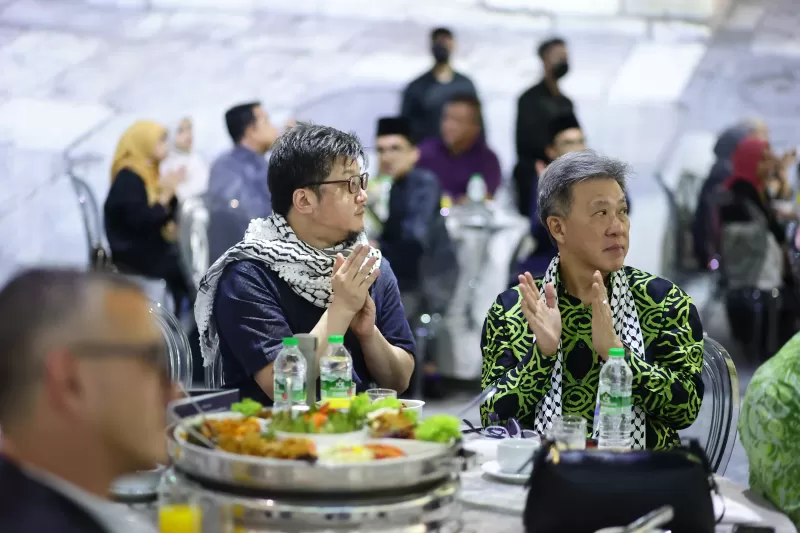
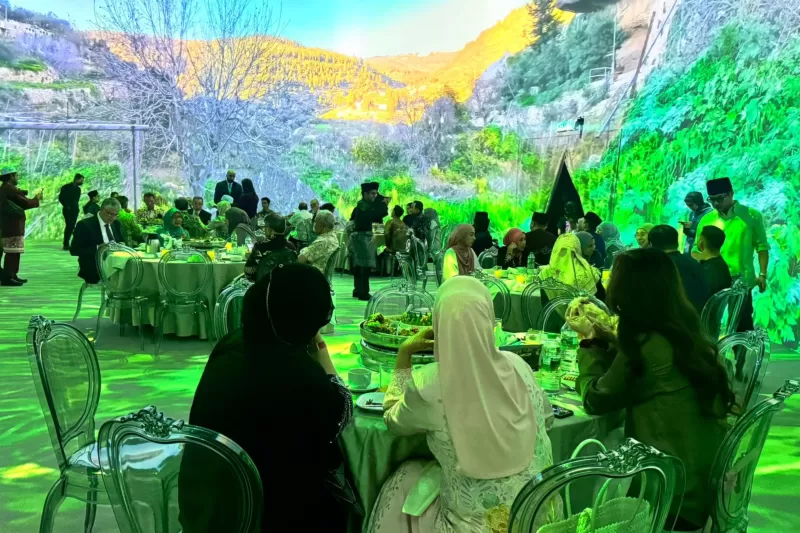
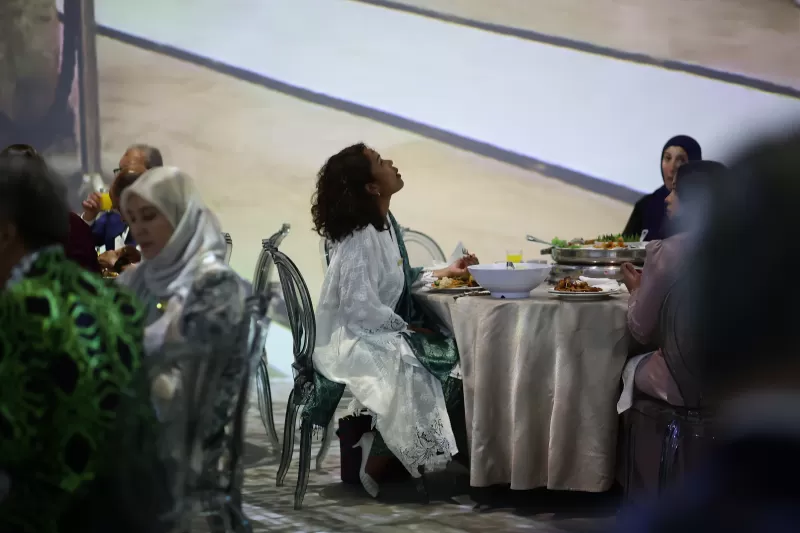
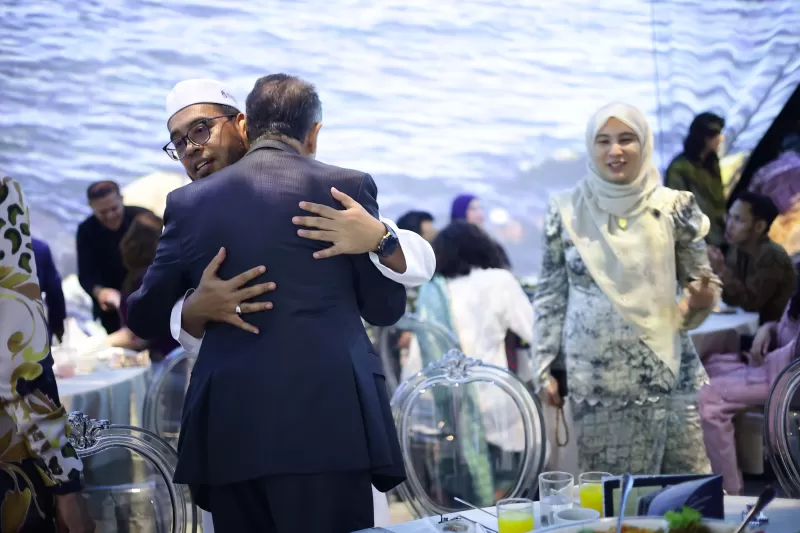
The initiative was presented in Kuala Lumpur, Malaysia, at a fundraising event organised by Taawon on the 78 anniversary of the Nakba and in support of Noor Program, its long-term initiative dedicated to caring for orphaned children in Gaza. The programme supports children who have lost one or both parents to Israel’s ongoing genocide in Gaza, providing care, stability, and opportunities as they rebuild their lives and look towards the future. Bringing humanitarian and cultural work together, the event enabled guests both to contribute to Noor Program and to encounter Palestine through an immersive virtual experience.
For Malaysian audiences, the occasion offered a closer encounter with Palestine: its history, culture, and varied human experiences. It also opened onto wider forms of cooperation, exchange, and shared work among individuals and organisations connected by a common commitment to Palestine.
The initiative sits at the meeting point of humanitarian and cultural work. While Taawon supports Palestinians, strengthens their resilience and perseverance, and invests in their future through its humanitarian, relief, and development programmes, the Museum preserves Palestine’s memory and cultural heritage and carries Palestinian narrative forward for future generations. Together, they affirm that care for people is inseparable from the preservation of their stories: supporting communities means responding not only to material needs but also to memory, cultural heritage, and the narratives that keep a people present, connected, and alive. The event created a space of solidarity with Palestinians in the present and of care for their heritage and memory into the future.
Until we meet in Palestine, this experience remains an open invitation to visit virtually: to walk its alleyways, move through its cities and villages, and listen to the stories still told there, generation after generation.